doi.org/10.20986/resed.2025.4174/2024
ORIGINAL
Analgesic effect of ultrasound-guided erector spinae plane block versus external oblique intercostal plane block in patients undergoing laparoscopic cholecystectomy: a randomized controlled trial
Efecto analgésico del bloqueo del plano del erector de la columna guiado por ultrasonido versus el bloqueo del plano intercostal oblicuo externo en pacientes sometidos a colecistectomía laparoscópica: un ensayo controlado aleatorio
Wesam Eldin A. Sultan1 https://orcid.org/0000-0003-2472-2174
Ahmed M. Helwa1,2 https://orcid.org/0009-0001-0440-6927
Mohamed A. Dawoud1https://orcid.org/0009-0008-3788-9647
Yasmin A. Kamel2https://orcid.org/0009-0004-1474-2619
1Anesthesiology, Intensive Care and Pain Management, Faculty of Medicine, Menoufia University, Shebin elkom, Menoufia, Egypt
2Anesthesiology, Intensive Care and Pain Management, National Liver Institute, Menoufia University, Shebin elkom, Menoufia, Egypt
Correspondence
Wesameldin A. Sultan
wesamsultan@med.menofia.edu.eg
Received: 31/10/2024
Accepted: 06/12/2025
ABSTRACT
Background: Laparoscopic cholecystectomy (LC) is considered one of the most common procedures globally. The associated postoperative pain is still a crucial problem after this procedure. We aimed to evaluate the analgesic effect of bilateral external oblique intercostal (EOI) versus bilateral erector spinae plane (ESP) blocks effect in cases undergoing LC.
Methods: A prospective randomized double-blind controlled study done on 93 cases who were listed for elective LC. cases were randomized into three equal groups. Group A (ESP) had ultrasound (US-guided) bilateral erector spinae plane block. Group B (EOI) had US-guided bilateral EOI plane block. Group C (Control) had our institute’s standard analgesia plan with no block.
Results: A significant difference was indicated between group A and B contrasted to group C regarding MAC consumption, intraoperative fentanyl consumption, time for first call of analgesia and postoperative 24 hours nalbuphine consumption (p-value < 0.05). However, group A showed a significant longer time for first analgesia request and lower 24 hours nalbuphine consumption than group B. Additionally, no significant difference was indicated between studied groups regarding nausea, vomiting, hematoma, and allergy (p-value > 0.05).
Conclusion: US-ESP block for LC provides better quality and longer duration of postoperative analgesia, while reducing postoperative analgesic consumption when contrasted to EOI plane block.
Key words: external oblique intercostal block, erector spinae block, laparoscopic cholecystectomy
RESUMEN
Antecedentes: La colecistectomía laparoscópica (CL) se considera uno de los procedimientos más comunes a nivel mundial. El dolor postoperatorio asociado sigue siendo un problema crucial después de este procedimiento. Nuestro objetivo fue evaluar la analgesia del efecto del bloqueo intercostal oblicuo externo (EOI) bilateral versus el plano erector de la columna bilateral en casos sometidos a CL.
Métodos: Estudio prospectivo, aleatorizado, controlado, doble ciego, realizado en 93 casos incluidos en la lista para CL electiva. Los casos fueron asignados al azar en tres grupos iguales. El grupo A (ESP) tuvo un bloqueo bilateral del plano erector de la columna guiado por ecografía (US). El grupo B (EDI) tuvo un bloqueo bilateral del plano intercostal oblicuo externo guiado por ecografía. El grupo C (Control) tenía el plan de analgesia estándar de nuestro instituto sin bloqueo.
Resultados: Se indicó una diferencia significativa entre el grupo A y B en comparación con el grupo C con respecto al consumo de MAC, el consumo de fentanilo intraoperatorio, el tiempo de la primera llamada de analgesia y el consumo de nalbufina postoperatorio de 24 horas (valor de p < 0,05). Sin embargo, el grupo A mostró un tiempo significativamente mayor para la primera llamada de analgesia y un menor consumo de nalbufina en 24 horas que el grupo B. Además, no se indicó ninguna diferencia significativa entre los grupos estudiados con respecto a náuseas, vómitos, hematoma y alergia (valor de p > 0,05).
Conclusión: El bloqueo US-ESP para CL proporciona una mejor calidad de analgesia postoperatoria y una mayor duración, y reduce el consumo de analgésico postoperatorio en comparación con el bloqueo del plano EOI.
Palabras clave: Bloqueo intercostal oblicuo externo, bloqueo del erector de la columna, colecistectomía laparoscópica
Sultan WEA, Helwa Am, Dawoud MA and Kamel YA. Analgesic effect of ultrasound-guided erector spinae plane block versus external oblique intercostal plane block in patients undergoing laparoscopic cholecystectomy: a randomized controlled trial. Rev Soc Esp Dolor. 2026: 1163_1-10
INTRODUCTION
Laparoscopic cholecystectomy (LC) is a common surgical procedure to treat gallbladder diseases. Over 500,000 cases are performed each year (1). LC was followed by pain which has visceral and somatic components. Several remedies have been tried to control postoperative pain (2).
Perioperative pain control plans should be implemented immediately. It reduces patient suffering, allows early mobilization, reduces hospital stay length, and improves patient satisfaction (3).
Opioid use is associated with increased incidence of constipation, postoperative nausea and vomiting (PONV), respiratory depression, and low quality of recovery incidence. Thus, multimodal analgesic strategy is preferred to minimize opioid-related side effects (4). After innovation of ultrasound (US) uses in anesthesia field, interfascial plane blocks have become easier, safer, and associated with better pain control outcomes (5,6).
US-guided erector spinae plane block (US-ESP) has gained popularity. It provides analgesia through the effect on the spinal nerves ventral and dorsal rami. According to the injection level, the local anesthetic spreads over several segments cranially and caudally as the erector spinae fascia extends between the nuchal fascia and sacrum (7,8).
The external oblique intercostal plane (EOI) block is a recently described technique for providing analgesia to the lateral and upper midline abdominal wall. It was demonstrated over a cadaveric study which indicating consistent staining of both anterior and lateral intercostal nerves T7-T10 branches (9,10).
This prospective randomized control trial investigated whether the analgesic effect of EOI plane block is comparable to the erector spinae plane block or not. The primary trial outcome was the time for first analgesia call. While the secondary outcomes were the postoperative pain severity evaluated by numerical rating scale (NRS), the first 24 hours postoperative opioid consumption, the intraoperative heart rate (HR), and mean arterial blood pressure (MAP) and PONV incidence.
We hypothesized that EOI plane block is effective as erector spinae plane block (ESP) in providing analgesia for cases undergoing LC.
MATERIALS AND METHODS
This prospective randomized double-blinded control study was carried out after approval of the study protocol by Ethics Committee of National Liver Institute (IRB 00476/2023) in March 2023, Prof Dr Azza Abd Elaziz was the chairperson, and approval of Ethics Committee of Faculty of Medicine, Menoufia university (IRB 3/2023ANETH 47) in March 2023, Prof Dr Sultan Sultan was the chairperson. It was registered at www.pactr.org (PACTR 202310712142038) and has been conducted in accordance with the principles set forth in the Helsinki Declaration.
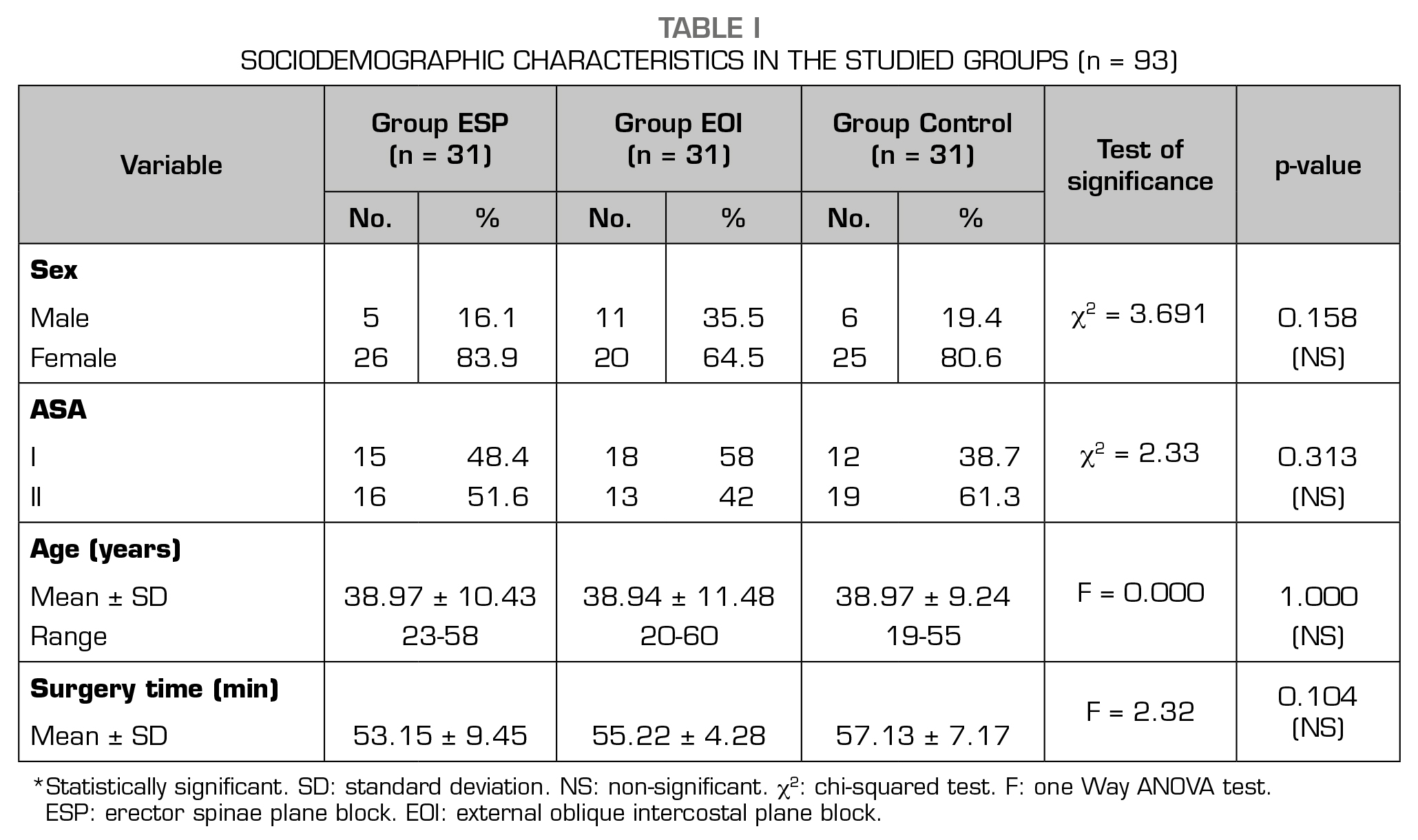
The study was performed from April 2023 to December 2023 on 93 cases after explanation of the procedure and obtaining written informed consent from all of them. cases aged between 18 and 65 years old, with a body mass index of 18-35 kg/m2, American Society of Anesthesiologists physical status I/II, and who had listed for elective LC were involved in the study. Allergic cases to local anesthetics, who had infection at the injection site, coagulopathy, or refused to participate were excluded.
Eligible cases were randomized into three groups, 31 cases in every group utilizing a computerized software program (GraphPad software QuickCalcs, Inc., California, USA) (website: http://www.graphpad.com/quickcalcs/index.cfm). The clinical staff, trial statisticians, trial investigators, and participants were not informed of the allocation. Both patient and data collector were blinded to the technique. The cases were randomly assigned to receive bilateral erector spinae plane block (group A, ESP), bilateral EOI plane block (group B, EOI), and our institute’s standard analgesia plan with no block (group C, Control).
Preoperative surveillance included detailed history, proper physical examination, and hematological screening (serum electrolytes, hematocrit level, and blood grouping), biochemical renal and liver tests, and standard coagulation studies, e.g., prothrombin time-international normalized ratio (INR). Also, electrocardiography and chest X-ray were arranged if indicated. NRS ranging from 10 (worst pain) to 0 (no pain) was explained to all cases.
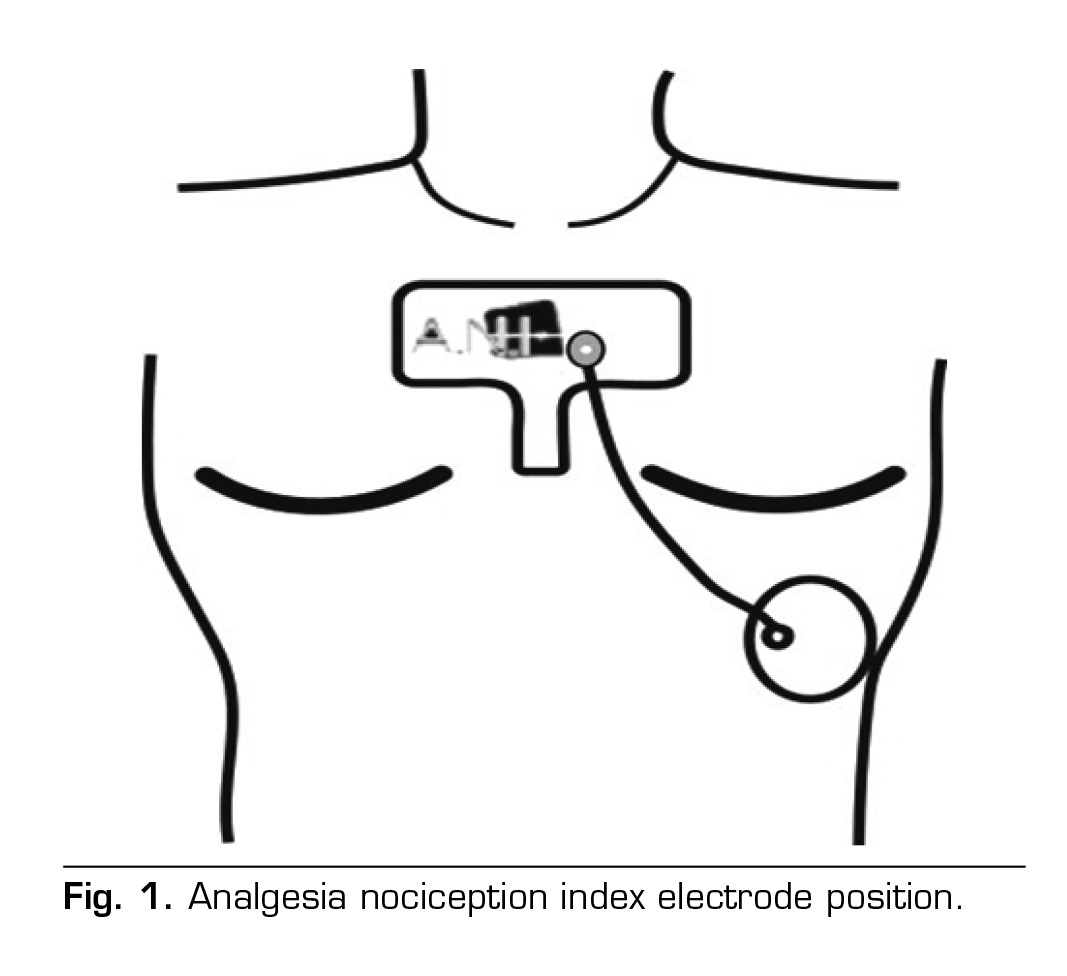
Standard monitors involving electrocardiography, pulse oximetry, and noninvasive arterial pressure and bisectral index (BSI) were applied prior to anesthetic induction. Moreover, an analgesia nociception index (ANI) monitor was applied to determine the need for intraoperative analgesia (Figure 1). The ANI monitor (MetroDoloris Medical Systems, Lille, France) reveals two parameters, instantaneous value (ANIi) and mean value (ANIm). A higher value of ANI indicates analgesia; however lower value indicates nociception. ANI > 50 means adequate analgesia. All cases received identical premedication, general anesthesia induction, and maintenance. Each patient was administered 1–2 mg of intravenous (IV) midazolam as a premedication. The anesthesia was induced with propofol 2 mg/kg (IV), fentanyl 1 μg/kg (IV), and atracurium 0.5 mg/kg (IV) go after by endotracheal intubation with an appropriate size. The cases were then mechanically ventilated with isoflurane in air/O2 mixture (30/70 %). Tidal volume was adjusted at 6-8 ml/kg and the respiratory rate was regulated to keep end-tidal CO2 35–40 mmHg. BIS was kept between 45 and 60. The block was performed before surgery. No local anesthesia was utilized for surgical sites, nor applied by intraperitoneal instillation. Fentanyl bolus of 50 μg was given when ANI < 50. All cases received 1 g paracetamol 15 minutes prior to end of surgery.
Erector spinae plane block
The patient was in a lateral position, and a high-frequency linear US probe was positioned 2.5-3 cm lateral to the T9 spinous process in a longitudinal parasagittal orientation. The erector spinae muscles were recognized superficially to the T9 transverse process tip. An in-plane approach was employed to insert a 22-G, 10-cm needle. The needle’s tip was inserted into the fascial plane on the deep erector spinae muscle aspect. The needle tip’s location was verified through ultrasonographic imaging, which revealed a visible fluid spread that lifted the erector spinae muscle from the bony transverse process shadow. A volume of 20 ml of bupivacaine 0.25% was injected, consisting of 10 ml of bupivacaine 0.5 %, 1 ml (4 mg) of dexamethasone, and 9 ml of normal saline. The opposite side underwent the identical process.
External oblique intercostal plane block
During the patient’s supine position, the high-frequency linear US probe was positioned in a longitudinal parasagittal orientation at the sixth intercostal space in the anterior midaxillary line. Using an in-plane approach, a 22 G, 10 cm needle was entered. The needle’s tip was entered into the fascial plane on the deep external oblique muscle aspect, at the point of contact with the sixth rib. Both sides were administered a 20 ml volume of bupivacaine 0.25 % (10 ml of bupivacaine 0.5 %, 1 ml (4 mg) of dexamethasone, and 9 ml of normal saline).
Intravenous paracetamol 1 g and ketorolac 30 mg was given to all cases with 12 hours’ time interval. Postoperative pain was evaluated using the NRS. Rescue analgesia was given when NRS ≥ 4 in the form of IV 5 mg nalbuphine and can be repeated every 30 min until controlling the pain.
Data availability
The data associated with the paper are not publicly available but are available from the corresponding author on reasonable request.
Statistical analysis
The SPSS (Statistical Package for the Social Sciences) statistical package version 26 was utilized to tabulate and analyze the data collected on an IBM compatible computer.
Two types of statistics were conducted: For qualitative data, descriptive statistics were expressed as a number and percentage (No & %), while quantitative data were stated as a mean ( x ), standard deviation (SD), and range. Statistical analysis: The quantitative variables were compared between more than two groups of normally distributed data utilizing the One-Way ANOVA test (F), which is a test of significance. The chi-squared test (c2) was employed to investigate the association between qualitative variables. A post-hoc test was applied. Kruskal-Wallis test: a post-hoc test that is employed to compare quantitative variables between more than two groups of non-normally distributed data. The Student t-test (t) is a statistical test that is employed to assess quantitative variables between two normally distributed data groups. Statistical significance was with P-value of < 0.05.
RESULTS
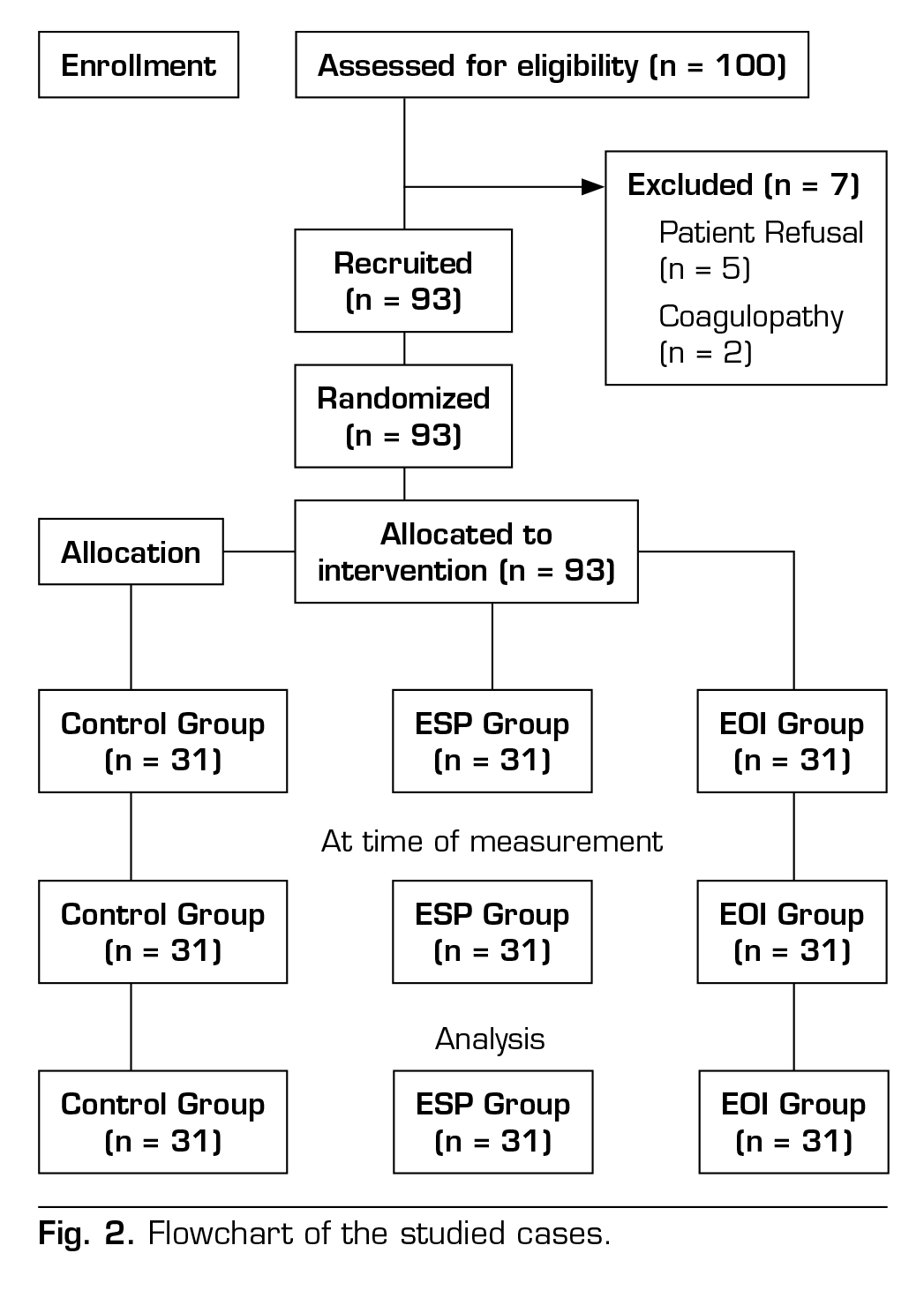
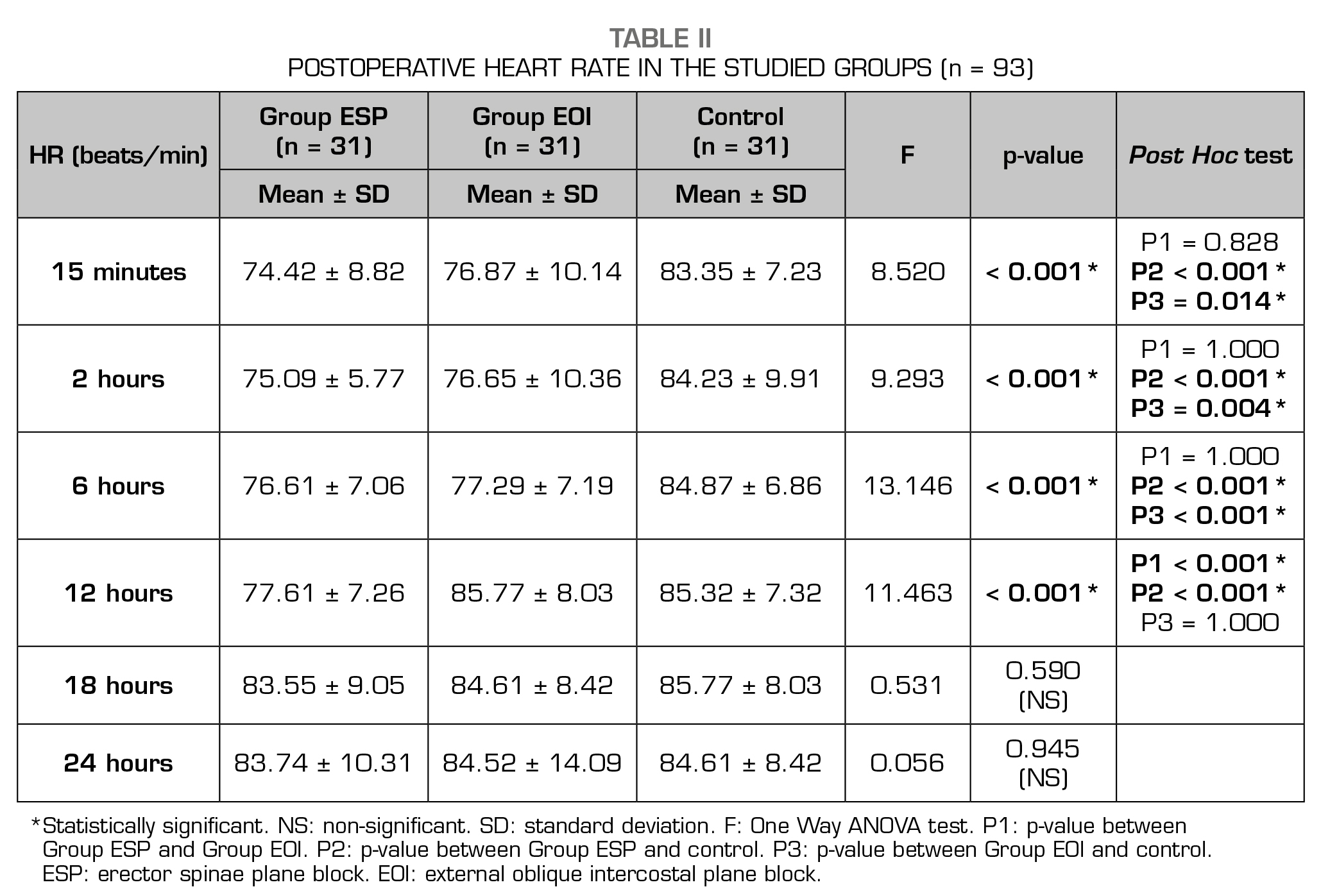
Patient enrollment, allocation, and analysis were presented in Figure 2 as stated in the Consolidated Standards of Reporting Trials (CONSORT) flow chart. One hundred cases were eligible to participate in the study. Five cases refused to continue, and another 2 cases were excluded due to high INR as presented in their laboratory investigations. Three groups were created: ESP group (n = 31), EOI group (n = 31) and control group (n = 31). Patient characteristics showed similarity in all groups (Table 1). The HR showed statistically significant reduction in ESP and EOI groups contrasted to control group in the recorded times up to 12 hours postoperatively, then confirmed no statistically significant difference at 18 and 24 hours. However, comparison of ESP versus EOI showed no statistically significant difference except at 12 hours postoperatively which showed statistically significant decrease of HR in ESP group (Table 2).
Furthermore, insignificant differences were indicated between studied groups regarding postoperative MAP at different intervals (Table 3).
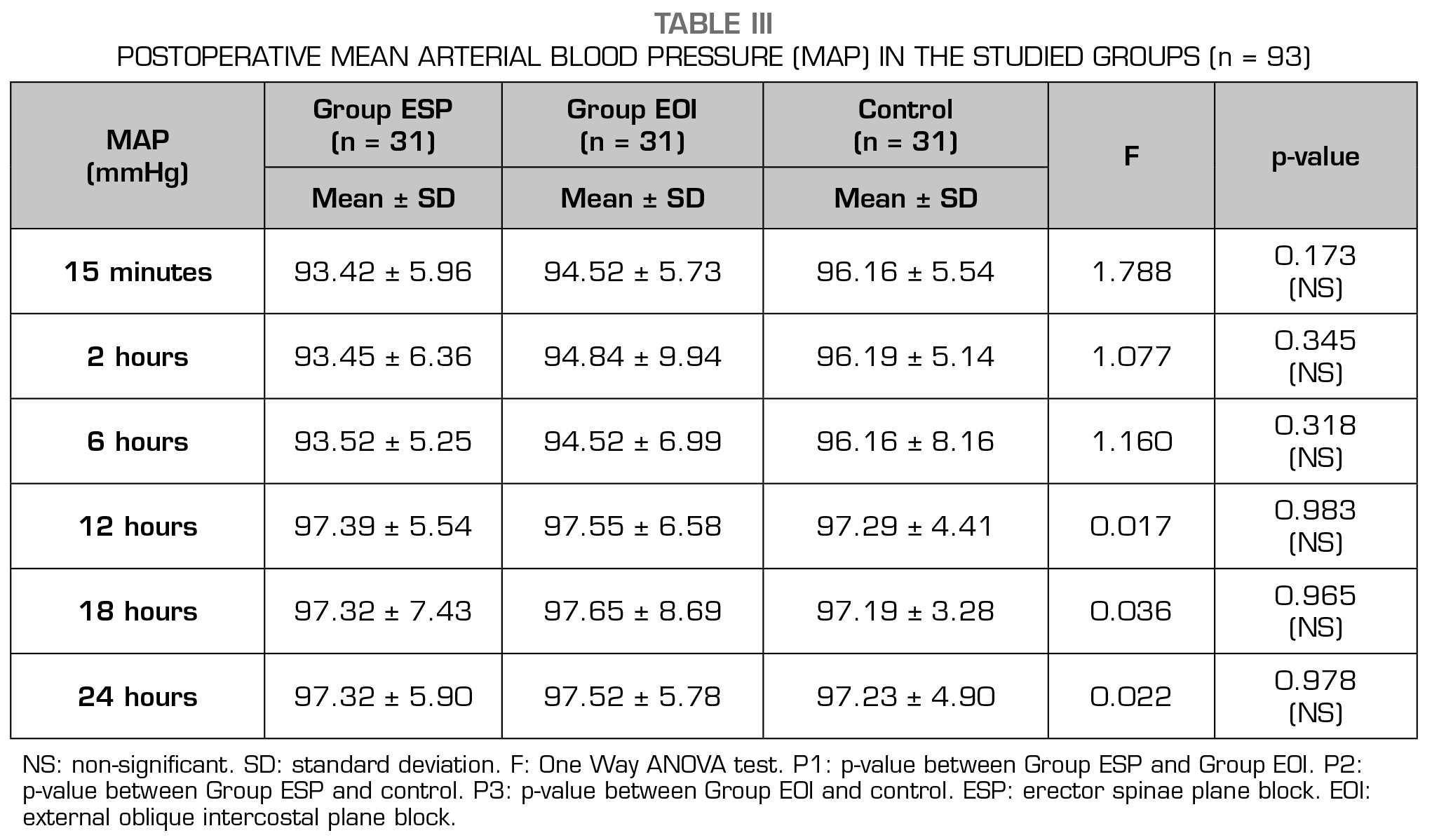
The intraoperative parameters represented in the MAC % and fentanyl consumptions showed statistically significantly elevated levels in control group contrasted to ESP and EOI groups. But when we compared ESP with EOI groups, it showed no significant difference between them (Table 4).
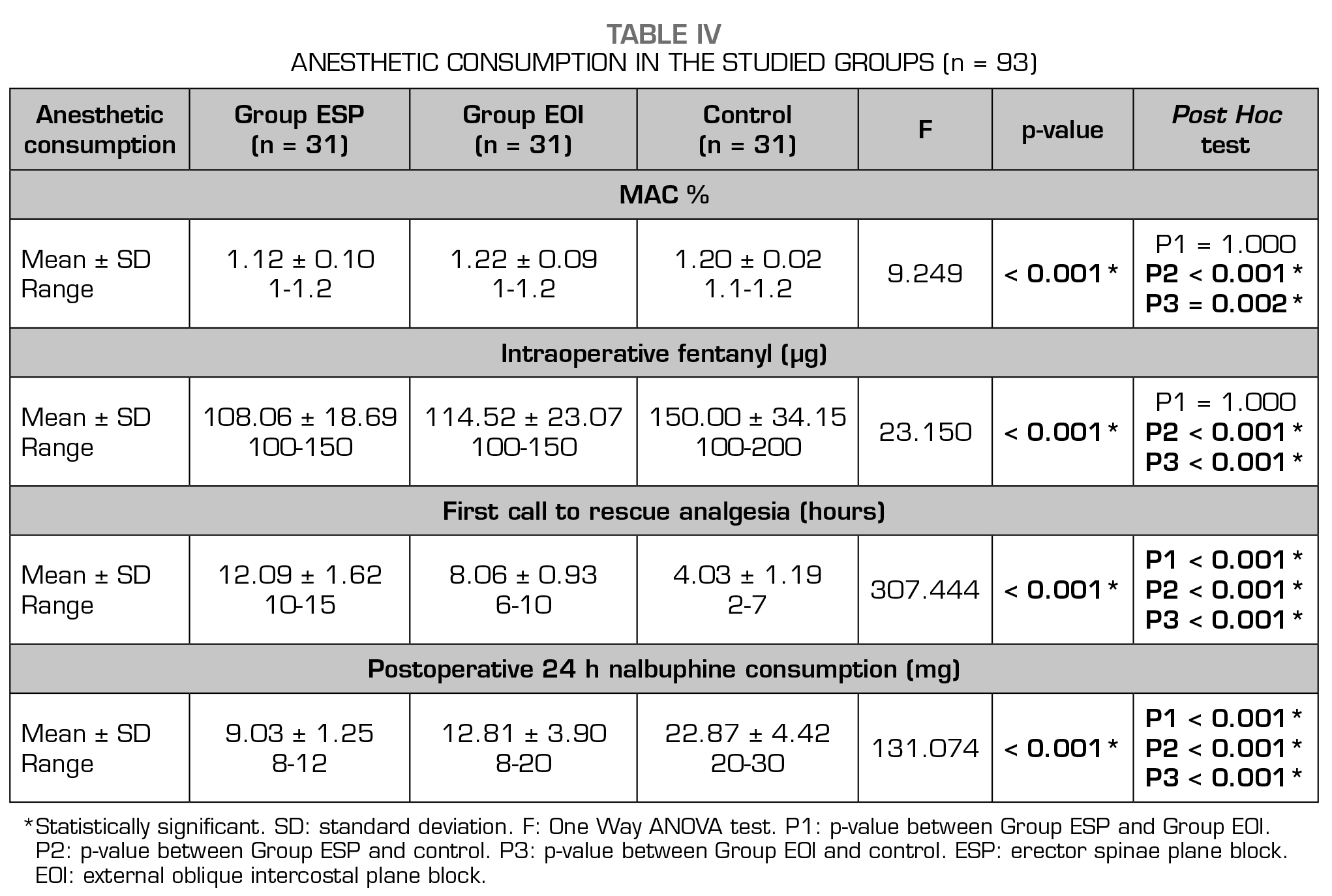
The control group revealed statistically significant higher records in the time for first rescue analgesia call and the total nalbuphine consumption in the first 24 hours postoperatively. However, the effects of ESP and EOI were similar intraoperatively, but ESP was associated with a longer effect than EOI postoperatively which represented in the form of low statistically significant difference in time for first rescue analgesia call and postoperative 24 hours nalbuphine consumption (Table 4).
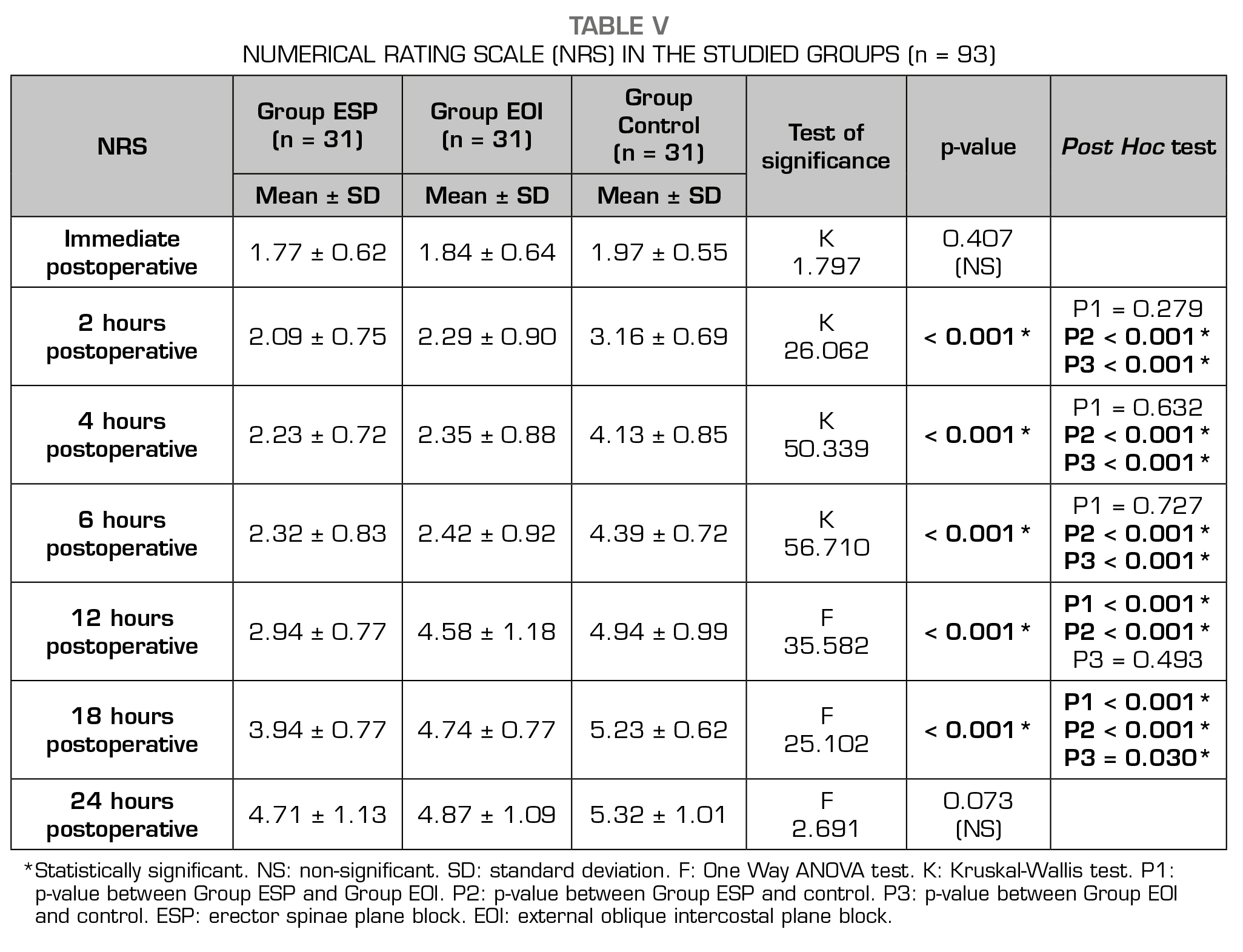
Moreover, the control group demonstrated a higher statistically significant NRS compared to ESP and EOI groups in all recorded time except at 24 hours postoperatively which represented no significance. While comparison of ESP group versus EOI group showed nearly similar NRS with no significance, but the statistically significant high NRS appeared at 12 and 18 hours postoperatively in the EOI group (Table 5).
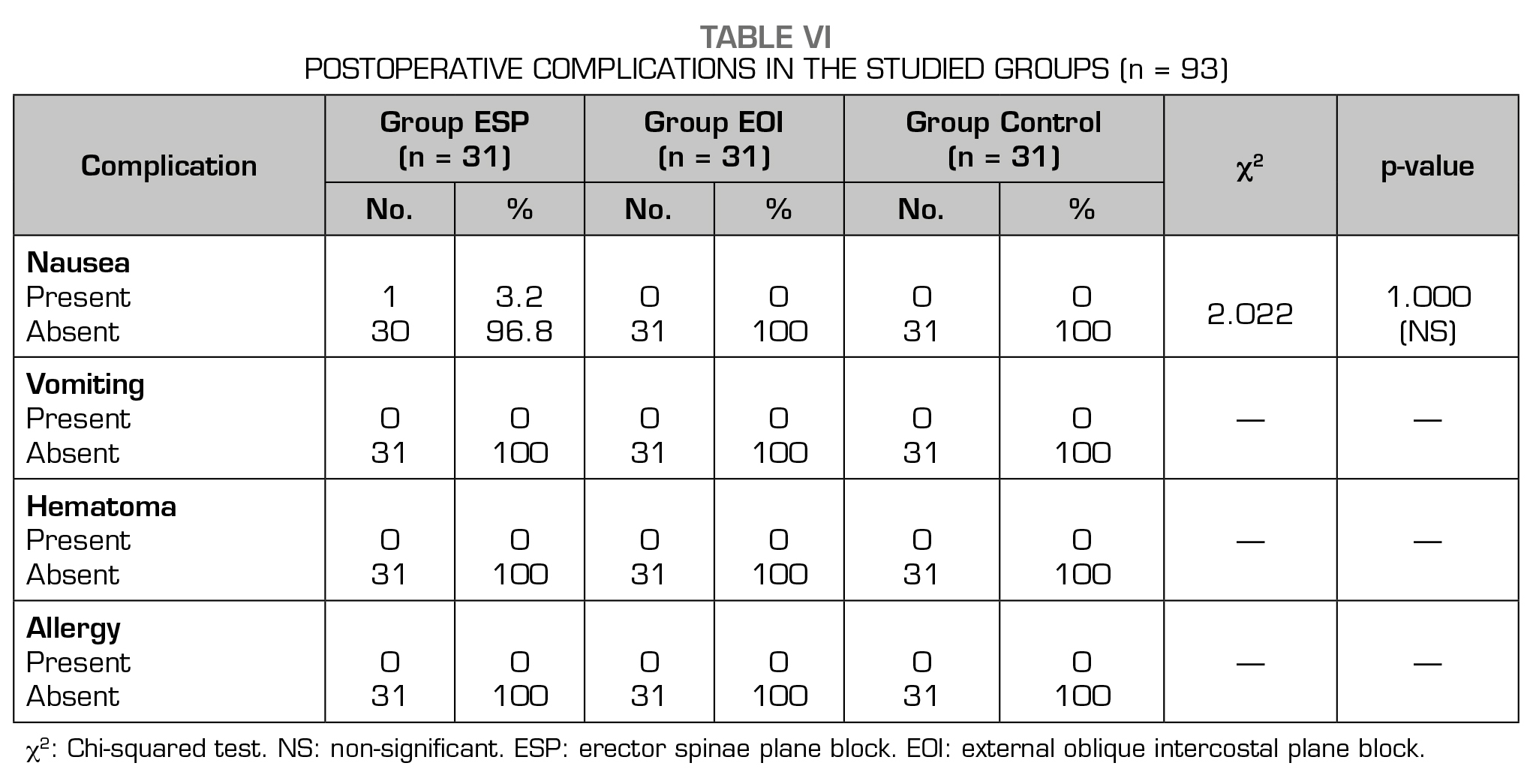
Additionally, no significant difference was spotted between studied groups regarding nausea, site injection hematoma, vomiting, and allergy as well (Table 6).
DISCUSSION
The procedure of LC is regarded as minimally invasive, and the majority of cases experience mild to moderate postoperative pain. The three primary pain sources following LC are the incision site, local and systemic pneumoperitoneum, and post-cholecystectomy wound influences in the liver. The incision site is the primary source of pain, accounting for (50-70 %), pneumoperitoneum (20-30 %), and the cholecystectomy wound (10-20 %) which follow in that order (2).
In a multimodal analgesia regimen, a variety of regional anesthesia applications are employed to target the intercostal nerves T6 to T10 dermatomes, which innervate the upper abdominal wall. By doing so, the postoperative analgesics utilization and their associated adverse effects are diminished (4).
Our investigations revealed that the control group was associated with higher statistically significant differences in the HR, MAC %, intraoperative fentanyl, time for first analgesia call and postoperative nalbuphine consumption, and NRS with no significant incidence of complications. However, the ESP and EOI groups showed similar effects intraoperatively with non-significant incidence of complications, while ESP group was associated with significant prolonged effect postoperatively in the form of statistically significant increase in the time for first call of analgesia and statistically significant decrease in postoperative nalbuphine consumption and NRS.
In this study, a significant difference was indicated between studied groups regarding intraoperative HR 15 minutes after skin incision till end of the surgery as well as postoperative HR at 15 minutes, 2 hours, 6 hours, and 12 hours, but insignificant difference was indicated between studied groups regarding postoperative HR at 18 hours and 24 hours.
Siam et al. (11) compared two groups of cases undergoing lumbar spine surgery under general anesthesia. The first group received ESPB, and the other one received conventional multimodal intravenous analgesia. The degree of hemodynamic stability was significantly elevated in ESPB group.
In this research, no significant difference was indicated between studied groups regarding post-operative MAP at different intervals.
In the same line, Altiparmak et al. (12) determine no significant difference in MAP at different assessment times between the control group and the ESPB in cases who underwent LC.
In contrast, Mahdy et al. (13) discovered that the hemodynamic profile of the ESP group was significantly superior to that of the control group. They investigated the erector spinae block impact on the hemodynamic profile subsequent LC. Comparing the study group to the control group, they observed a decrease in MAP. This discrepancy with our results may be attributed to a variety of factors, including a different sample size, selection bias, and population.
This study detected significant difference between block groups and control group regarding intraoperative fentanyl consumption, first call to rescue analgesia and post-operative 24 hours nalbuphine consumption.
In this concern a study by Mohamed et al. (14) discovered that the ESPB group offered sufficient pain relief without any significant adverse effects. The statistically significant reduction in the total nalbuphine consumption amount as a first-line rescue analgesic (8.27 ± 1.12 mg contrasted to 15.92 ± 2.11 mg in group B) and the statistically significant extended time of the first analgesic request (as demonstrated). Furthermore, the ESPB group consumed a total of 1.59 ± 0.50 gm of paracetamol, whereas the control group consumed 2.77 ± 0.43 gm. Additionally, the numerical rate score of the ESPB group was significantly less than that of the control group at rest and during coughing during the 24-hour postoperative period.
Also, Ibrahim et al. (15) investigated the erector spinae block versus port site infiltration impact on the total morphine consumption amount as a rescue analgesic postoperatively. When contrasted to the port site infiltration group, they observed a comparable decrease in analgesic consumption. Additionally, Kwon et al. (16) demonstrated that the total quantity of analgesics consumed decreased for a period of up to 24 hours following the administration of ESPB analgesia. In addition, the ESPB group consumed less intraoperative opioids than the non-ESPB group. In comparison to the non-ESPB group, the ESPB group experienced a 14 % decrease in opioid usage during surgery and a 37 % decrease in opioid usage after surgery.
The prolonged analgesic ESPB effect may be attributed to the local anesthetic’s extended reach to the paravertebral region and the ventral and dorsal spinal nerves rami. According to reports, the local anesthetic’s extensive distribution region and its dissemination to the dermatomes on the opposite side result in a sensory blockade. ESPB has been indicated to efficiently extend analgesia in a surgeries variety as a result of these factors (12,17,18).
Furthermore, Korkusuz et al. (19) found that the tramadol consumption of cases who underwent US-guided bilateral external oblique intercostal plane block (EOIPB) subsequent the general anesthesia induction for postoperative analgesia after LC was less than that of the control group at the postoperative 24 hours and at all other measurement times. In another study, Co?arcan et al. (20) retrospective comparison was conducted between cases who underwent bariatric surgery with fascial plane blocks and those who did not receive any fascial blocks. Bilateral EOIPB was administered to 15 cases in that study using 30 ml of 0.25 % bupivacaine. The study indicated that the ESPB, TAP + RB (rectus sheath block), and EOIPB were associated with reduced morphine consumption. However, the EOIPB and TAP + RB appeared to be the most effective blocks.
On the other hand, in a study by Kusderci et al. (21) who conducted a comparison between the EOIP group and the control group and discovered that the EOIP group had significantly elevated cumulative tramadol consumption at all time points, with the exception of the first hour (p < 0.001).
Our study indicated no significant difference between studied groups regarding nausea, vomiting, hematoma, and allergy.
Kown et al. (16) indicated that the vomiting and nausea incidence following surgery was equivalent in the control and ESPB groups. While Mohammed et al. (14) noted that only two cases experienced nausea and vomiting in ESPB group, and eight cases had vomiting and nausea in control group. The reason for this discrepancy with our results may be due to the use of nalbuphine as the initial rescue analgesic, which has a negligible impact on the vomiting center.
This study indicated significant difference between studied groups regarding NRS at 2 hours, 4 hours, 6 hours, 12 hours, and 18 hours post-operatively.
In earlier studies Willard et al. (2); Alt?parmak et al. ((17)); Tulgar et al. (18) reported that US-ESPB efficiently managed pain subsequent a surgical procedures variety. US-ESPB was found to be beneficial in enhancing function and decreasing pain following abdominal surgery, as evidenced by a variety of randomized controlled trials. In harmony with Altiparmak et al. (12) and Thomas et al. (23) as well, when they investigated the erector spinae block influence on the numerical rate score subsequent to LC. When compared to the control group, they observed a decrease in the numerical rate score of the study group.
Additionally, Korkusuz et al. (19) determined that the EOIPB had a further reduction in NRS at all measurement points, which led to a higher quality of recovery score. Moreover, Tulgar et al. (24) exhibited that the control group had higher NRS scores than the block groups during the initial three hours. This is likely the result of the time it takes for tramadol to reach effective plasma concentrations.
In disagreement with our study Kusderci et al., (21) noted that in EOIP group and the control group, NRS scores were similar throughout all time intervals (p > 0.05).
Strength and limitation
The study has a strength point as there was limited research comparing ESPB and EOIPB; however, it represented some limitations as it was carried out in a single center by an experienced anesthesiologist which decrease the chance for generalizability and validation of the results.
CONCLUSION
We found that bilateral US-guided ESPB and EOIPB performed in cases undergoing LC led to reduced first 24 h analgesia requirement, improve the multimodal analgesia quality, provide reliable and effective postoperative analgesia, and mostly devoid of complications when contrasted to a control group. Furthermore, the erector spinae plane block offers a superior postoperative analgesia quality and a longer duration, while also reducing the postoperative analgesic consumption contrasted to the EOI plane block.
ETHICAL APPROVAL AND CONSENT
This study was approved by the Ethics Committee of Menoufia University Faculty of Medicine, under approval number 3/2023ANETH47.
AUTHORS’ CONTRIBUTION
Wesameldin A. Sultan designed the study and shared the practical part of the study. Ahmed M. Helwa and Yasmin A. Kamel collected and analysed the data. Mohamed A. Dawoud shared the practical part and completed the primary writing. All the authors have read and approved the final manuscript.
CONFLICT OF INTEREST
The authors certify that there is no conflict of interest with any financial organization regarding the material discussed in the manuscript.
FUNDING
No fund.
DATA AND MATERIAL AVAILABILITY
Available.
PREPRINTS
It is deposited as pre-publication with DOI.
USE OF GENERATIVE AI
We didn’t use AI at any part of the research.
REFERENCES