
Keywords
neonatal intensive care units
pain
physiological indicators
behavioral indicators
Abstract
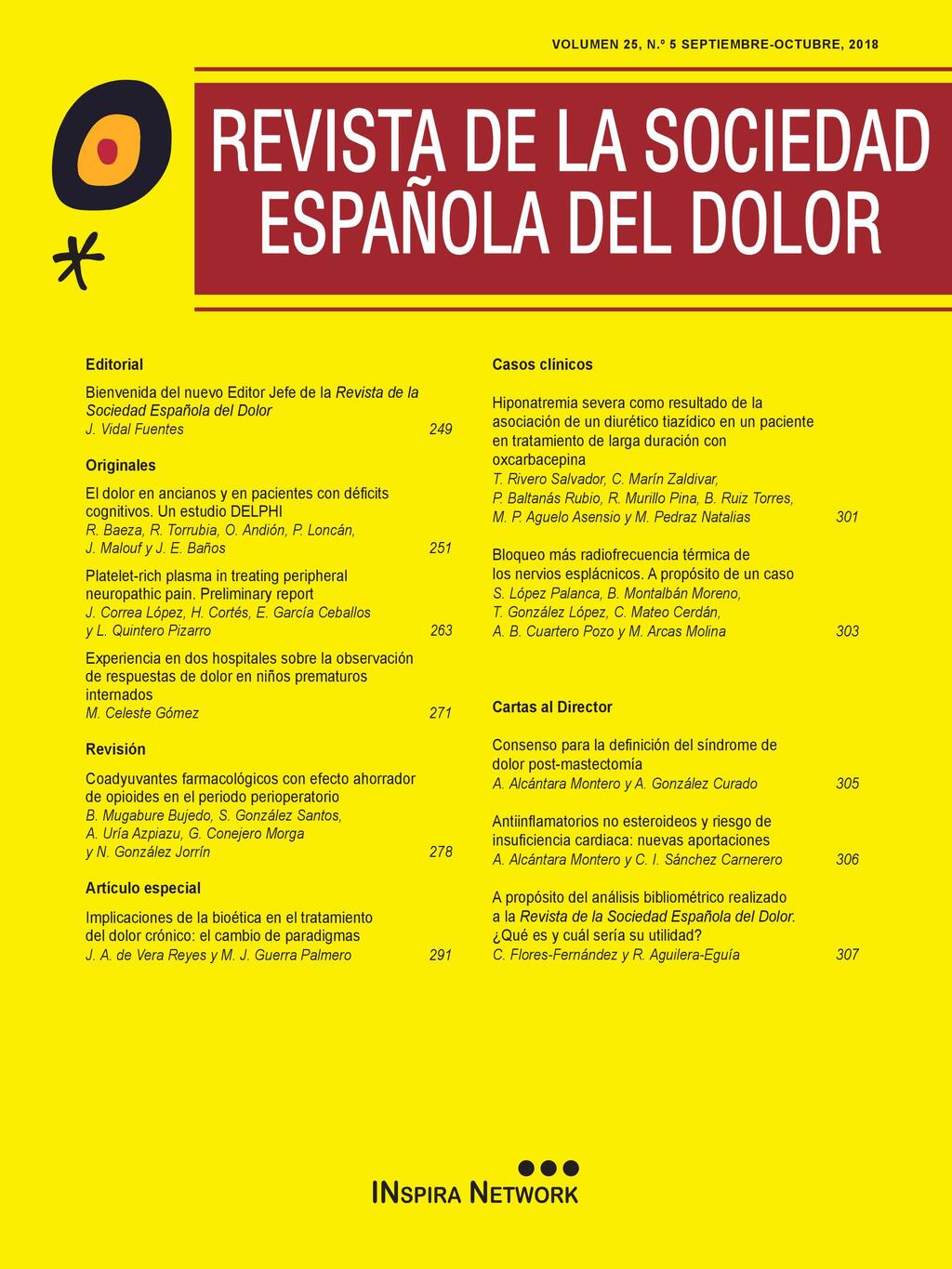
Introduction: Every child born before 37 weeks gestation is considered preterm. These children need support to achieve survival, that is how the Iberoamerican Society of Neonatology, children born preterm undergo various procedures in most cases cause pain. All children under 32 weeks gestational age are subjected to between 5 and 14 painful procedures per day and 80 % did not receive analgesics. It is important to consider that the fact of having pain could generate consequences in its development, either in the short or long term. General objectives: To observe the pain reactions of preterm infants in different gestational age categories and to collaborate in the awareness of health personnel about the issue of pain in preterm infants. Material and methods: Therefore conducted an observational study of 27 cases in two hospitals in Argentina, one private and other public. It was observed painful procedures made to premature infants hospitalized in Neonatal Intensive Care Unit (NICU) and recorded both physiological and behavioral values. Results: The results show that there are differences in the reactions of children as rated by gestational ages, especially in regard to Heart Rate and gestures. Conclusions: It`s concluded that the adequate pain management is a right for premature wich it is not always taken into account, so it is postulated the need for further work in developing a specific scale for these children and raising awareness of health personnel, humanizing interventions in the child.Licencia.
Los artículos publicados en RESED (Revista de la Sociedad Española del Dolor) se distribuyen bajo una licencia Creative Commons Reconocimiento-NoComercial-SinObraDerivada 4.0 Internacional (CC BY-NC-ND 4.0).
Esta licencia permite copiar y redistribuir el material en cualquier medio o formato, siempre que se cite adecuadamente la autoría y la fuente original. No se permite el uso comercial de la obra ni la distribución de obras derivadas.
Derechos de autoría.
Los derechos de explotación de los trabajos publicados corresponden a la Sociedad Española del Dolor. Las personas autoras conservan sus derechos morales sobre la obra y el derecho a difundirla conforme a los términos de la licencia.
Autoarchivo.
Se permite a las personas autoras depositar la versión publicada de su artículo en repositorios institucionales o temáticos y en su página web personal, citando la publicación original en RESED
Acceso abierto.
RESED es una revista de acceso abierto: todos sus contenidos son de libre acceso, sin coste para las personas lectoras ni para las autoras.